

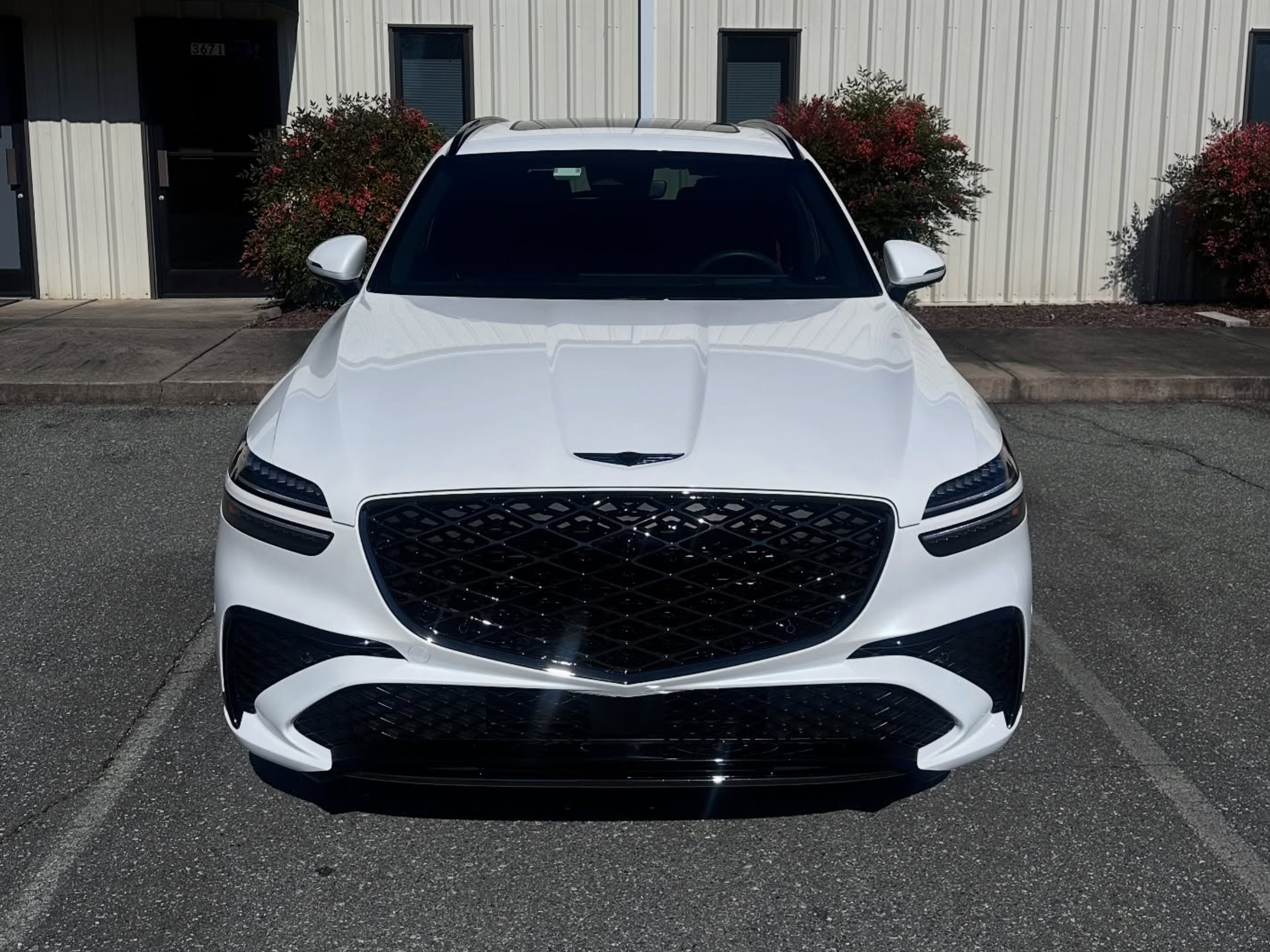
Paint correction restores a vehicle’s paint by reducing surface defects caused by sun exposure, washing habits, and environmental contaminants. In Burlington, changing seasons, moisture, and sunlight can affect paint clarity over time. Understanding these local conditions helps vehicle owners recognize when professional correction may improve their car’s finish.
Key Takeaways
- Burlington weather can affect paint clarity and smoothness.
- Sun exposure and moisture contribute to visible paint wear.
- Seasonal residue can leave marks and surface contamination.
- Paint correction improves gloss by addressing suitable surface defects.
- Proper maintenance helps preserve a vehicle’s appearance.
5 Weather Factors That Affect Vehicle Paint
Burlington’s changing weather exposes vehicle paint to different environmental conditions throughout the year. Knowing how these factors affect the finish can help owners make informed maintenance decisions.
- Temperature changes expose paint to repeated heating and cooling.
- Sunlight can contribute to oxidation and fading.
- Rainwater may leave mineral deposits and contaminants.
- Pollen and other seasonal debris can collect on the surface.
- Humidity and moisture can contribute to water spotting.
Seasonal Weather Changes and Paint Stress
Seasonal changes expose vehicle paint to fluctuating temperatures, pollen, moisture, and debris. These conditions can make existing swirl marks, fine scratches, and uneven reflections more noticeable. Professional paint correction in Burlington, NC can improve the finish by addressing suitable surface imperfections.
Sun Exposure and Paint Fading
Ultraviolet radiation can gradually degrade automotive paint and its clear coat, contributing to fading and reduced gloss. Paint correction may improve clarity when the defects are within the correctable layer. However, it cannot reverse every type of paint damage or replace clear coat that has already failed.
Rain, Moisture, and Surface Contaminants
Rain can leave mineral deposits and carry airborne contaminants onto a vehicle’s finish. If these deposits remain on the surface, they may contribute to spotting or make the paint feel rough. Vehicle owners may seek paint correction in Burlington when suitable surface defects affect the finish. The correct process depends on the type and severity of the damage.
Winter Residue and Surface Wear
Cold-season road residue and accumulated grime can affect a vehicle’s appearance. When the vehicle is washed improperly, trapped particles may also contribute to swirl marks and fine scratches. Safe washing and drying help reduce this risk, while paint correction can address suitable defects that remain.
Why Paint Correction Restores Finish Quality
Burlington Paint correction uses specialized polishing techniques to reduce defects in the clear coat and improve how light reflects from the surface. The process can restore gloss and clarity when the damage is correctable. Results depend on the paint’s condition, the depth of the defects, and the amount of clear coat available. A professional assessment helps determine the appropriate approach.
Maintaining Your Vehicle’s Appearance
Regular washing with suitable products helps remove dirt before it accumulates. Using clean microfiber towels and safe drying methods can also reduce the risk of adding swirl marks. Paint correction may improve existing imperfections, but careful maintenance is still important because corrected paint can develop new defects if it is cleaned improperly.
Why Local Climate Knowledge Matters
Burlington’s seasonal conditions can influence how dirt, pollen, moisture, and road residue collect on vehicle paint. Understanding these factors helps owners choose appropriate cleaning and maintenance practices. A professional assessment can identify whether the finish needs routine care, decontamination, or paint correction.
In Summary
Burlington weather can affect a vehicle’s paint through sunlight, moisture, temperature changes, and seasonal residue. These conditions may contribute to fading, water spots, and surface defects that ordinary washing cannot remove. Paint correction can improve gloss and clarity when imperfections are within the correctable layer. James Mobile Detailing helps vehicle owners address suitable paint defects and improve their vehicle’s appearance.
Ready for a quote? Contact us today to learn how paint correction can help improve your vehicle’s finish in Burlington, NC.
Frequently Asked Questions
What is paint correction?
Paint correction is a professional process that removes surface defects such as swirl marks, oxidation, and fine scratches to restore paint clarity and gloss.
Does the weather really damage car paint?
Yes. Sun exposure, rain, temperature changes, and seasonal residue all contribute to the gradual deterioration of paint over time.
How often should paint correction be done?
The need for paint correction depends on driving conditions, maintenance habits, and environmental exposure rather than a fixed schedule.
Can paint correction improve an older vehicle’s appearance?
Yes. Paint correction can significantly improve the look of older paint by restoring smoothness and reflectivity.
Is paint correction only for cosmetic reasons?
No. While appearance improves, paint correction also helps maintain surface integrity by removing contaminants that affect paint longevity.