

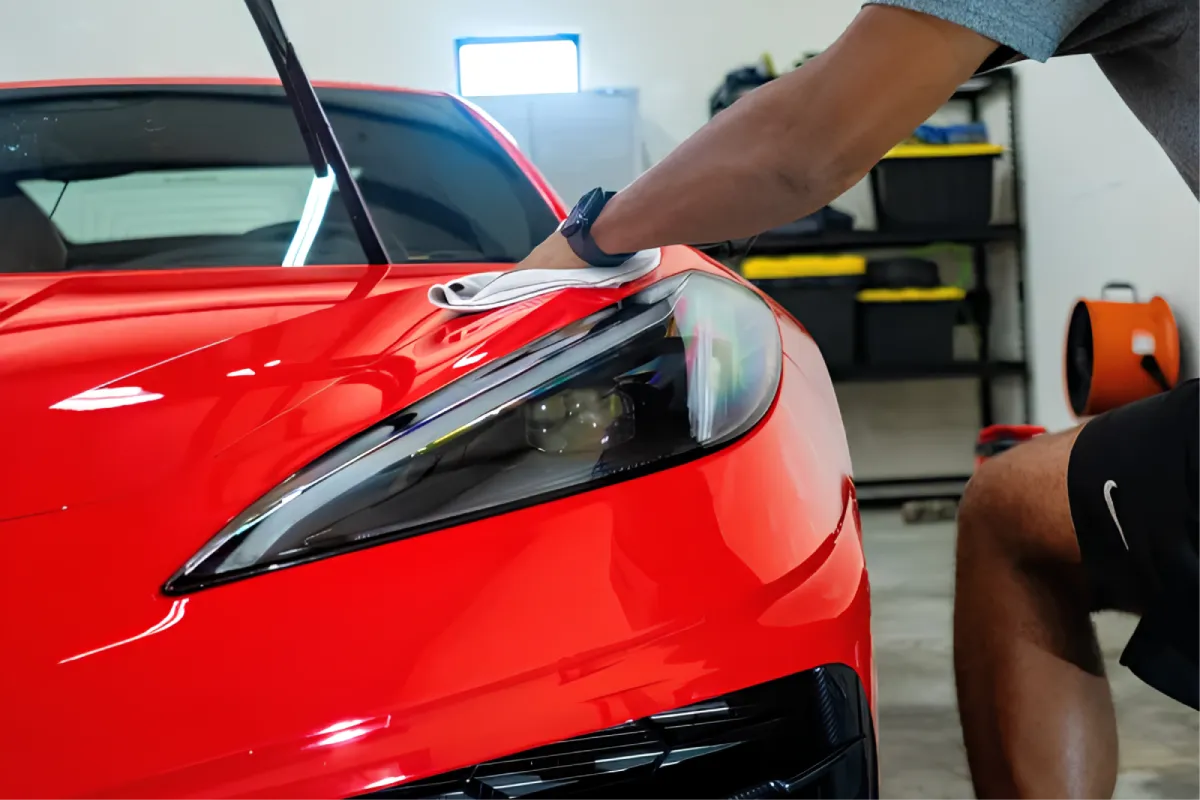
Paint correction is uniquely challenging on unevenly aged clear coat because variable paint thickness, localized UV degradation, and differing levels of clear coat hardness prevent uniform compound action across a single panel. Attempting a single-stage correction risks burning through thin, compromised sections while failing to level deeper defects on healthier surrounding areas. Correcting uneven clear coat requires precise diagnostic metering and multi-zone machine polishing protocols to ensure safe, long-term gloss restoration.
The Mechanics of Uneven Clear Coat Degradation
Achieving a uniform, mirror-like gloss across a vehicle requires a flat, smooth, and consistent clear coat layer. However, factory clear coats rarely age evenly over time. Environmental exposure, varied thermal cycles, and historical spot repairs alter the physical structure of automotive paint, transforming a single panel into a mosaic of differing hardness levels and delicate depths.
Understanding how environmental elements destabilize clear coat integrity allows professional detailers to adjust their correction machinery before taking a pad to the surface.
Primary Factors Driving Non-Uniform Clear Coat Wear
- UV Radiation Exposure: Horizontal surfaces, such as the hood, roof, and trunk lid, absorb significantly higher levels of ultraviolet radiation than vertical door panels. Over time, UV rays break down the cross-linked clear coat polymers on top surfaces, leaving them softer, thinner, and far more sensitive to machine polishers.
- Localized Spot Repairs: Previous bodywork or minor cosmetic touch-ups often introduce aftermarket clear coats. These re-sprayed sections frequently exhibit vastly different paint density, cure hardness, and total micron depth compared to the surrounding OEM factory finish.
- Environmental Contaminants & Chemical Etching: Etching from acid rain, hard water spots, and bird droppings creates localized micro-pitting. These chemical bonds thin out isolated patches of clear coat, leaving fragile valleys surrounded by thicker, unaffected paint.
When vehicle owners evaluate options for Burlington paint correction, identifying these localized structural variances is the critical first step toward preventing catastrophic clear coat strike-through.
Step-by-Step Diagnostic Protocol for Variable Clear Coat
To correct unevenly aged clear coat safely, technicians must treat each panel as an individual grid containing distinct physical properties.
- Electronic Paint Depth Measurement: Measuring panel thickness across multiple grid points using a digital paint depth gauge to establish an accurate baseline and pinpoint dangerously thin zones.
- Surface Decontamination Assessment: Executing a complete chemical iron removal and mechanical clay bar treatment to strip bonded contaminants and isolate raw clear coat defects.
- Paint Density & Hardness Testing: Performing a localized test spot with a mild finishing polish and a soft foam pad to measure how quickly the compromised clear coat reacts under light friction.
- Defect & Degradation Mapping: Mapping oxidation intensity, deep swirl marks, and micro-marring to separate resilient factory paint from severely UV-degraded regions.
When Is Uneven Clear Coat Too Damaged for Paint Correction?
Not every paint defect can be corrected through machine polishing. While polishing can reduce swirl marks, light scratches, and some surface oxidation, it cannot replace missing clear coat or repair peeling paint. Identifying the difference helps detailers avoid removing too much material from already weakened areas.
Signs of Clear Coat Failure
Common warning signs include cloudy patches, uneven gloss, white or chalky areas, and clear coat that flakes or peels away from the base paint. These symptoms may indicate advanced deterioration rather than ordinary surface defects. A detailer should inspect the affected areas before choosing a correction method.
Choosing Between Polishing and Repainting
If the clear coat remains intact, a controlled test spot can help determine whether polishing will improve the finish safely. Paint thickness measurements provide useful information, but they generally measure the combined paint layers rather than clear coat depth alone. Previous repairs and uneven thickness readings require additional caution.
When clear coat is peeling, separating, or severely deteriorated, repainting may be the more appropriate solution. The goal of professional paint correction is not to remove every visible defect, but to improve the finish while preserving as much sound paint as possible.
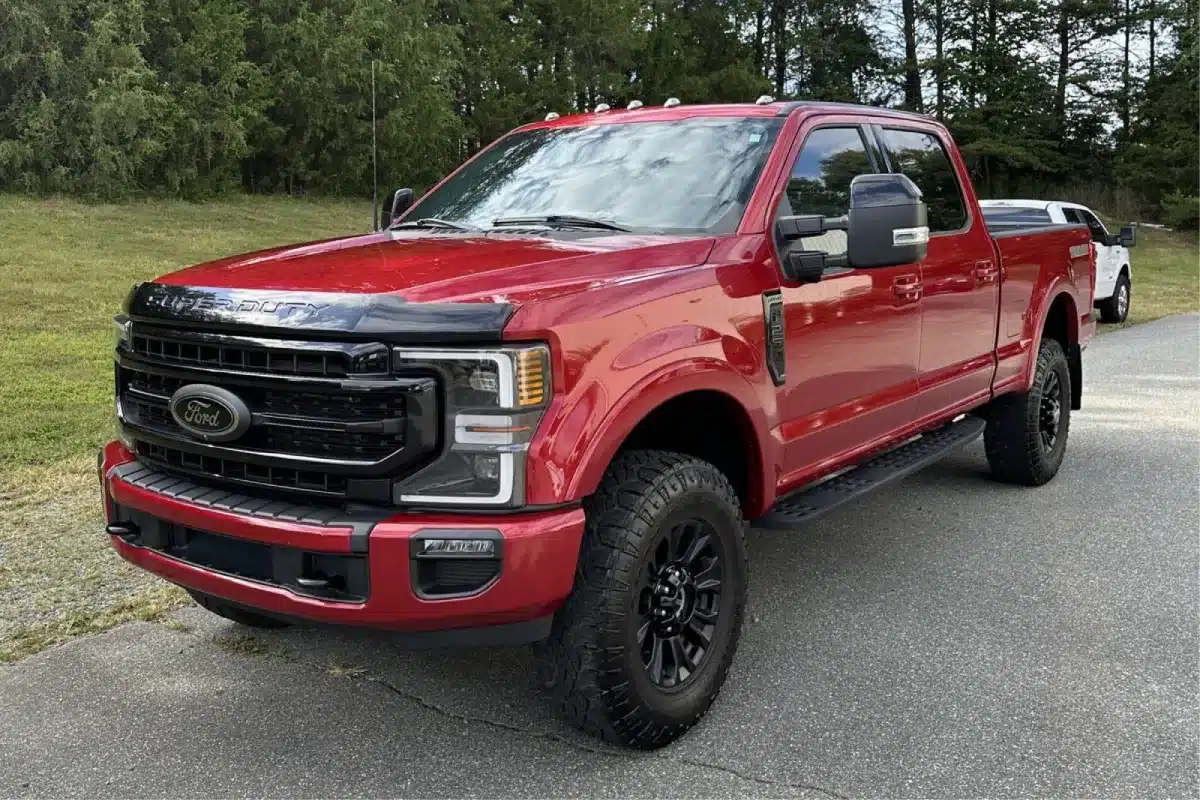
Uniform vs. Variable Paint Correction: Technical Demands
Standard paint correction relies on a single compound-and-pad pairing applied evenly across full panels. When clear coat aging is uneven, however, applying uniform downward pressure and constant machine speed will quickly destroy the thinnest sections of the paint while barely removing defects from the harder, healthier regions.
During a recent paint evaluation for a client, our technicians discovered that the roof of a luxury SUV had lost nearly 40% of its clear coat depth to UV degradation, while the side doors retained full factory thickness. Executing a safe restoration required mapping separate polishing passes for the horizontal and vertical surfaces.
Operational Differences Across Degradation Levels
| Factor / Characteristic | Uniform / Healthy Clear Coat | Unevenly Aged Clear Coat |
| Paint Thickness Profile | Consistent depth across full panel | High variance (thin edges, degraded horizontal zones) |
| Pad & Compound Strategy | Single pad and compound combination per stage | Multi-pad, multi-compound approach mapped by panel region |
| Risk of Cut-Through | Low to moderate | High (especially near character lines and UV-thin zones) |
| Machine Speed & Pressure | Consistent RPM and downward pressure | Variable pressure, lower speeds on compromised sections |
| Correction Ceiling | 85%–95%+ defect removal feasible | Capped at safe depth (often 60%–80%) to preserve clear coat |
Applying Our Core Detailing Standards to Solve Complex Clear Coat Challenges
Managing fragile, unevenly worn clear coat is a technical art that requires exceptional care, advanced training, and certified equipment. At James Mobile Detailing, we apply our core service standards to overcome complex paint leveling challenges without compromising your vehicle’s clear coat longevity.
As a Gyeon Certified Studio Detailer, our shop delivers high-caliber Professional Detailing Services engineered specifically for delicate or compromised finishes. We utilize advanced paint diagnostic tools to achieve Consistent, High-Quality Results Every Time, carefully balancing defect removal against paint preservation. This rigorous level of precision is why we maintain 5-Star Customer Satisfaction across all vehicle enhancements.
By pairing our deep technical expertise with Fast, reliable service and long-term care, we restore rich depth and optical clarity to your finish before sealing it under durable ceramic or film protection. Whether you are seeking precision paint correction in Burlington, NC, or servicing a vehicle in nearby Greensboro, Elon, or Gibsonville, our team ensures your investment receives the finest care possible.
Debunking the Heavy Compound Myth: Why Aggressive Cutting Destroys Aged Clear Coat
Industry Myth: “Aggressive cutting compounds and heavy rotary wool pads are the fastest, most effective way to smooth out unevenly aged clear coat and restore a uniform gloss.”
The Reality: Heavy compounds and aggressive pads remove clear coat at a high, uniform rate across the entire pad contact area. On a panel where clear coat aging is non-uniform, an aggressive pad cuts through the thin, UV-damaged zones long before it levels the deeper swirls on thicker surrounding paint.
This approach frequently results in permanent strike-through, stripping the remaining clear coat down to the base color coat and requiring an expensive body shop repaint. True restoration requires micro-abrasive polishing passes that respect the lowest clear coat depth on the panel.
Protect and Preserve Your Vehicle’s Finish with Professional Care
Restoring compromised or unevenly worn paint demands precision, master-level training, and an uncompromising commitment to vehicle preservation. At James Mobile Detailing, we treat every vehicle with the exact same dedication, care, and attention to detail as if it were our own.
Whether your daily driver needs delicate paint restoration or you are searching for trusted Burlington, NC paint correction, our certified team is ready to exceed your expectations. Experience the difference that true craftsmanship makes for your vehicle.
Discover what high-grade paint correction can do for your vehicle’s finish. Contact us today to schedule your comprehensive paint inspection and request your free service quote!
Frequently Asked Questions
Can unevenly aged clear coat be completely restored without repainting?
While professional paint correction can remove heavy oxidation and restore high gloss, severe clear coat thinning or physical peeling (delamination) cannot be polished away and requires professional repainting.
How do detailers know how much clear coat is remaining?
Detailers utilize digital paint depth gauges to measure total paint thickness in microns across several points on each panel, calculating exact safety margins before turning on a polishing machine.
Why does a single-stage polish fail on unevenly degraded paint?
A single polish and pad combination removes material at a uniform rate. On uneven paint, that same combination will under-correct hard, undamaged sections while over-cutting thin, fragile areas.
How do you protect clear coat after correcting an unevenly aged panel?
Because corrected clear coat has lost some of its total thickness, applying a certified ceramic coating or paint protection film is vital to restore lost UV-blocking capabilities and shield the finish from future breakdown.